
Embarking on the topic of Slip and Fall Attorney: How to Prove Liability Quickly, this introductory paragraph aims to grab the attention of the readers by providing a brief yet intriguing overview of the subject matter.
The subsequent paragraph will delve into the specifics of slip and fall incidents, evidence collection, property owner negligence, and the role of attorneys in these cases.
Understanding Slip and Fall Incidents

Slip and fall incidents are common accidents that occur when someone slips, trips, or falls due to hazardous conditions on a property. These incidents can lead to serious injuries and legal implications if negligence is involved.
Causes of Slip and Fall Accidents
- Wet or slippery floors
- Uneven surfaces or flooring
- Loose rugs or mats
- Cluttered walkways
Typical Locations for Slip and Fall Incidents
- Retail stores
- Restaurants and bars
- Sidewalks and parking lots
- Public buildings and facilities
Importance of Proving Liability
Proving liability in slip and fall cases is crucial for determining who is responsible for the accident. It involves demonstrating that the property owner or manager failed to maintain a safe environment or provide adequate warnings about potential hazards. This proof is essential for seeking compensation for injuries and damages resulting from the incident.
Collecting Evidence at the Scene
After a slip and fall incident, it is crucial to gather evidence promptly to strengthen your case. The evidence collected at the accident scene can play a significant role in proving liability quickly and effectively.
Immediate Steps to Take
- Seek medical attention if needed to document injuries.
- Report the incident to the property owner or manager.
- Take photos of the accident scene, including the hazard that caused the fall.
- Collect contact information from witnesses present at the scene.
Essential Evidence to Gather
- Photographs of the hazardous condition (wet floor, uneven surface, etc.).
- Copies of any incident reports filed with the property owner or manager.
- Medical records and bills related to injuries sustained in the fall.
- Documentation of lost wages or other financial losses due to the incident.
Significance of Documentation
Documenting the accident scene through photographs or videos can provide visual evidence of the hazardous condition that led to the slip and fall. This visual evidence can be compelling in establishing liability and demonstrating the dangerous situation that caused the injury.
Witness Statements
- Witness statements can offer critical insight into what happened leading up to the slip and fall.
- Witness testimony can corroborate your version of events and strengthen your claim.
- Collect contact information from witnesses to ensure their statements can be obtained if needed for legal proceedings.
Evaluating Property Owner Negligence
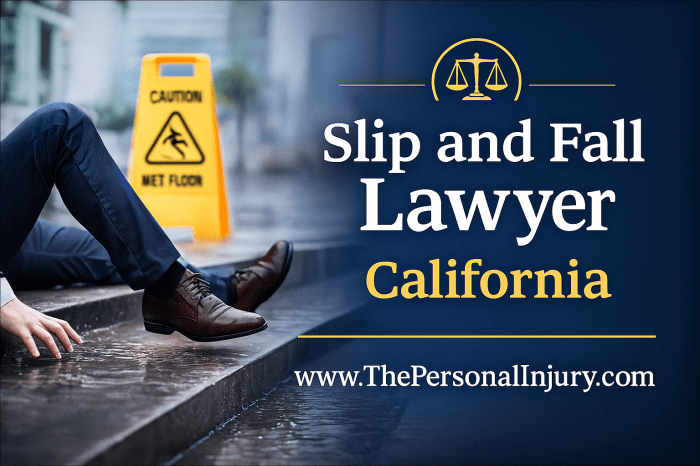
When it comes to slip and fall incidents, determining property owner negligence is crucial in proving liability. Negligence on the part of a property owner refers to their failure to maintain a safe environment for visitors, which can lead to accidents and injuries
To assess if a property owner breached their duty of care, several factors need to be considered.
Defining Negligence
- Property owner negligence can include issues like failure to fix known hazards, inadequate warning signs, or improper maintenance of the premises.
- Ignoring safety regulations, not conducting regular inspections, or neglecting repairs are all indicators of negligence on the part of the property owner.
Examples of Hazardous Conditions
- Slippery floors due to spills or inadequate cleaning
- Uneven or damaged flooring, walkways, or stairs
- Loose handrails or lack of proper lighting in dimly lit areas
Role of Maintenance Records and Inspection Reports
- Maintenance records and inspection reports play a crucial role in proving negligence as they provide evidence of whether the property owner was aware of the hazardous conditions and failed to address them.
- These documents can show a pattern of neglect or lack of proper maintenance, strengthening the case for property owner negligence.
Engaging a Slip and Fall Attorney
When dealing with a slip and fall incident, engaging a slip and fall attorney can be highly beneficial. These legal professionals specialize in premises liability cases and can help you navigate the complexities of proving liability and seeking compensation for your injuries.
Benefits of Hiring a Slip and Fall Attorney
- Expertise: Slip and fall attorneys have in-depth knowledge of premises liability laws and understand how to build a strong case on your behalf.
- Legal Guidance: An attorney can provide you with valuable legal advice and guide you through the entire legal process.
- Maximized Compensation: With an attorney on your side, you are more likely to receive the full and fair compensation you deserve for your injuries.
Finding an Experienced Attorney
- Research: Look for attorneys with experience in handling slip and fall cases specifically.
- Referrals: Ask for recommendations from friends, family, or other legal professionals.
- Consultations: Schedule consultations with potential attorneys to discuss your case and assess their expertise and approach.
Assistance in Gathering and Presenting Evidence
- Evidence Collection: Attorneys can help gather crucial evidence, such as witness statements, medical records, and surveillance footage.
- Expert Witnesses: They can also enlist the help of expert witnesses to support your case and provide testimony.
- Effective Presentation: Attorneys know how to present evidence in a compelling manner to establish liability and strengthen your case.
Legal Strategies for Establishing Liability
- Negligence: Attorneys will focus on proving that the property owner was negligent in maintaining safe premises.
- Duty of Care: They will demonstrate that the property owner owed you a duty of care and breached that duty, leading to your injuries.
- Causation: Attorneys will establish the link between the property owner's negligence and your slip and fall accident.
Closing Summary
In conclusion, this discussion has shed light on the essential aspects of proving liability quickly in slip and fall cases, emphasizing the importance of evidence, property owner negligence, and legal representation.
User Queries
What should I do immediately after a slip and fall incident?
Seek medical attention, report the incident to the property owner or manager, and gather evidence like photos or witness contact information.
How can witness statements help in proving liability quickly?
Witness statements can provide crucial information about the conditions during the incident and support your claim against the property owner.
What are examples of hazardous conditions that indicate negligence by a property owner?
Examples include wet floors without warning signs, uneven surfaces, poor lighting, or lack of maintenance leading to dangerous conditions.