
Kicking off with Crane Collapse Injury Attorneys: Investigating Mechanical Failure and Operator Error, this opening paragraph is designed to captivate and engage the readers, providing a comprehensive overview of the topic. The discussion delves into the crucial aspects of mechanical failures and operator errors in crane incidents, shedding light on the complexities faced by attorneys in such cases.
Investigating Mechanical Failure
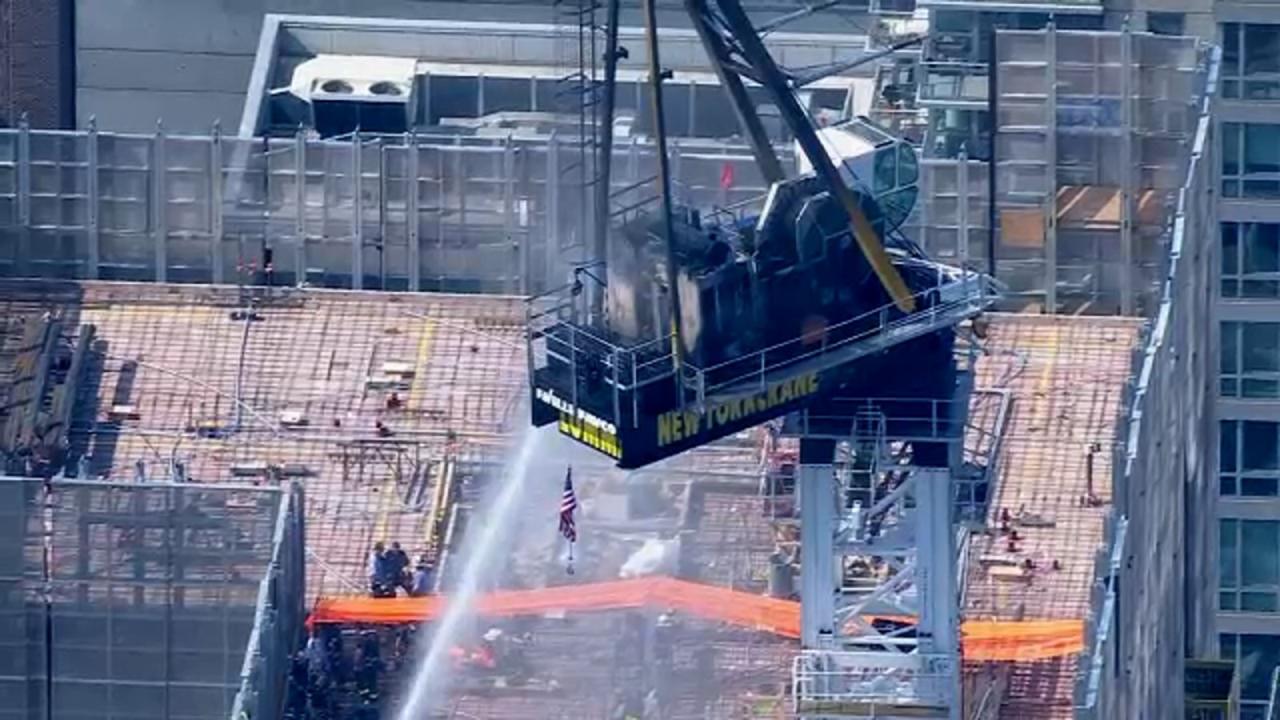
When it comes to crane collapses, investigating mechanical failure is crucial to determining the cause and preventing future accidents. Mechanical failures can result from various issues, including wear and tear, lack of maintenance, or manufacturing defects.
Examples of Mechanical Failures
- Corrosion of critical components leading to structural weakness
- Brake failure causing the crane to lose control
- Hydraulic system malfunction resulting in the collapse of the boom
Common Signs of Mechanical Issues
- Unusual noises during crane operation
- Leaking fluids from the crane
- Irregular movements or jerking motions
Impact of Mechanical Failure vs. Operator Error
While both mechanical failure and operator error can contribute to a crane collapse, the impact of mechanical failure is often more severe. Mechanical failures can occur suddenly and without warning, leading to catastrophic accidents. On the other hand, operator errors may be corrected or mitigated if detected early through proper training and supervision.
Understanding Operator Error
Proper training for crane operators is essential in preventing accidents. Operators must be well-versed in the equipment they are handling to ensure safe and efficient operation.Factors that can contribute to operator errors in crane operation include lack of experience, inadequate supervision, poor communication, and equipment malfunction.
These factors can increase the risk of accidents and injuries on construction sites.Human factors such as fatigue, distraction, stress, or complacency can also lead to operator error. Fatigued operators may have slower reaction times and impaired judgment, increasing the likelihood of mistakes.
Distractions on the job site can divert an operator's attention from critical tasks, compromising safety.It is crucial for companies to prioritize the well-being of crane operators by providing adequate rest breaks, implementing rotation schedules, and promoting a culture of safety.
By addressing human factors and ensuring proper training, the risk of operator errors can be minimized, ultimately creating a safer work environment for everyone involved.
Legal Implications for Crane Collapse Injury Attorneys
When it comes to crane collapse incidents, there are significant legal implications that crane collapse injury attorneys need to consider. This includes investigating the responsibilities of crane companies, determining potential liabilities for injuries caused by mechanical failure or operator error, and proving liability in court.
Responsibilities of Crane Companies in Ensuring Crane Safety
Cranes are complex pieces of machinery that require regular maintenance, inspection, and adherence to safety protocols. Crane companies have a legal responsibility to ensure that their cranes are in proper working condition, that operators are trained and certified, and that safety procedures are followed at all times.
Potential Liabilities for Crane Collapse Injuries
- Crane companies can be held liable for injuries resulting from mechanical failure if it is determined that proper maintenance and inspections were not conducted. In such cases, the company may be required to compensate the injured parties for damages.
- Similarly, if operator error is found to be the cause of a crane collapse, the company may still be held liable if it is discovered that the operator was not adequately trained or if safety protocols were not followed.
Examples of Successful Cases
There have been instances where crane collapse injury attorneys have successfully proven liability in court. For example, in a case where a crane collapsed due to faulty equipment that had not been properly maintained, the crane company was found liable for the injuries sustained by workers on the construction site.
This led to a significant settlement being awarded to the victims.
Investigative Process for Attorneys
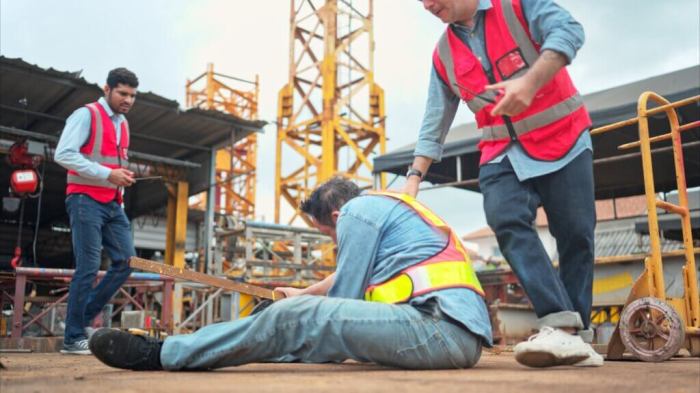
When attorneys are tasked with investigating crane collapse incidents, they follow a meticulous process to gather evidence and determine the cause of the accident.
Evidence Collection and Analysis
Attorneys begin by collecting all available evidence related to the crane collapse, including witness statements, maintenance records, and inspection reports. This evidence is then carefully analyzed to identify any potential mechanical failures or operator errors that may have contributed to the incident.
- Inspecting Maintenance Records: Attorneys review the maintenance records of the crane to determine if proper maintenance procedures were followed and if any red flags were overlooked.
- Interviewing Witnesses: Attorneys conduct interviews with witnesses who were present during the collapse to gather firsthand accounts of what happened.
- Examining Inspection Reports: Attorneys scrutinize any inspection reports conducted on the crane prior to the collapse to identify any safety concerns that were not addressed.
Role of Expert Witnesses
Expert witnesses play a crucial role in assisting attorneys in understanding the technical aspects of mechanical failures and operator errors that may have led to the crane collapse.
- Technical Analysis: Expert witnesses provide technical analysis of the crane's design, maintenance history, and operation to pinpoint any areas of concern.
- Cause Determination: With their expertise, expert witnesses help attorneys determine the root cause of the collapse, whether it be due to mechanical failure, operator error, or a combination of both.
- Testimony in Court: Expert witnesses may also provide testimony in court to explain complex technical concepts to the judge and jury, helping them understand the factors that contributed to the crane collapse.
Wrap-Up
In conclusion, the exploration of Crane Collapse Injury Attorneys: Investigating Mechanical Failure and Operator Error unveils the intricate dynamics between mechanical failures, operator errors, and legal implications in crane collapse incidents. By understanding the investigative process and legal responsibilities involved, attorneys can navigate through complexities to seek justice for victims of such accidents.
Expert Answers
What are some examples of mechanical failures that can lead to a crane collapse?
Mechanical failures such as wire rope issues, hydraulic problems, or structural defects can contribute to crane collapses. These failures often require thorough investigation by attorneys to determine liability.
How important is proper training for crane operators in preventing accidents?
Proper training for crane operators is crucial in accident prevention as it ensures they have the necessary skills and knowledge to operate cranes safely, reducing the risk of operator errors that could lead to collapses.
What are the legal responsibilities of crane companies in ensuring crane safety?
Crane companies have a legal duty to maintain their equipment, provide adequate training to operators, and comply with safety regulations to prevent accidents. Failure to fulfill these responsibilities can result in liability for crane collapse injuries.