In the realm of business financing, securing funding for growth is crucial. This guide on Company Credit Line: How to Secure Funding for Growth delves into the intricacies of obtaining a company credit line, providing invaluable insights for businesses looking to expand their operations.
Exploring the nuances of company credit lines and the impact they can have on business development, this article aims to equip readers with the knowledge needed to navigate the funding landscape effectively.
Understanding Company Credit Lines
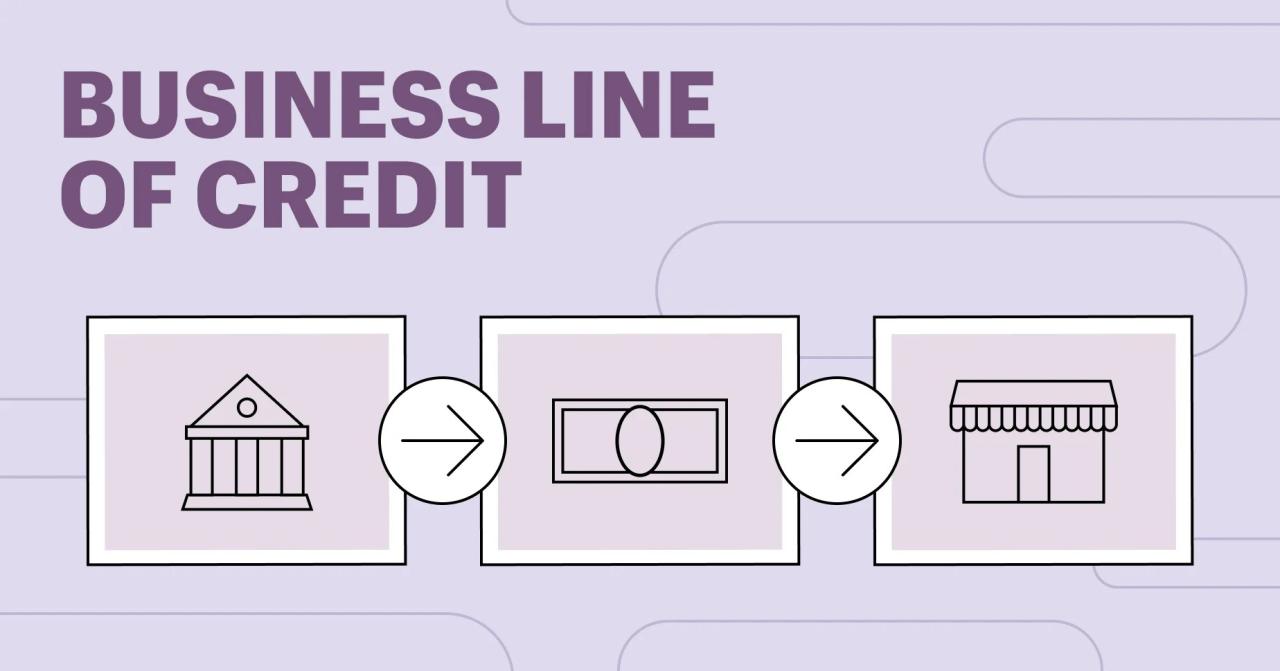
A company credit line is a type of financing that allows businesses to borrow funds up to a predetermined limit. Unlike traditional loans, where you receive a lump sum upfront, a credit line gives you the flexibility to access funds as needed.
This revolving form of credit can be used for various business expenses, such as inventory purchases, equipment upgrades, or managing cash flow.
Benefits of Having a Company Credit Line
- Flexibility: With a credit line, you can borrow funds as needed, up to the approved limit, giving you the flexibility to manage cash flow fluctuations and unexpected expenses.
- Cost-effective: You only pay interest on the amount you use, not the entire credit line. This can be more cost-effective than taking out a traditional loan where you pay interest on the entire amount borrowed.
- Build credit: Responsible use of a credit line can help you establish a strong credit history for your business, making it easier to qualify for larger loans or better terms in the future.
Examples of Situations Where a Company Credit Line is Beneficial
- Seasonal businesses: Businesses that experience fluctuations in revenue throughout the year can benefit from having a credit line to cover expenses during slow seasons.
- Growth opportunities: When unexpected growth opportunities arise, having a credit line can provide the necessary funds to capitalize on them quickly without waiting for a traditional loan approval process.
- Emergencies: In case of emergencies or unforeseen expenses, a credit line can serve as a financial safety net to cover immediate costs without disrupting business operations.
Qualifying for a Company Credit Line

Securing a company credit line involves meeting specific requirements and criteria set by financial institutions. These criteria play a crucial role in determining the eligibility of a business to access funding.
Credit Score, Revenue, and Business History
- Having a strong credit score is essential when applying for a company credit line. Lenders use this score to assess the creditworthiness of a business and its ability to repay the borrowed funds.
- Revenue is another critical factor considered by lenders. A stable revenue stream indicates the financial health of the business and its capacity to manage debt effectively.
- Business history, including the length of time the company has been operating, can also impact the approval process. Established businesses with a proven track record are more likely to qualify for a credit line.
Tips to Improve Qualification Chances
- Manage your business finances effectively by maintaining accurate records and demonstrating responsible financial behavior.
- Work on improving your credit score by paying bills on time, reducing debt, and monitoring your credit report regularly.
- Build a strong relationship with your business bank by keeping open communication and showcasing your business's growth potential.
- Showcase a solid business plan that Artikels your company's objectives, strategies, and financial projections to instill confidence in lenders.
Securing Funding Amount
When it comes to securing funding amount within a company credit line, lenders take into consideration various factors to determine the maximum credit available to a business. Understanding these factors and implementing strategies to maximize the funding amount is crucial for businesses looking to grow and expand.
Lenders’ Evaluation Process
- Lenders typically assess the financial health and creditworthiness of a business before deciding on the funding amount.
- Factors such as the company's revenue, profitability, cash flow, assets, and liabilities play a significant role in determining the credit limit.
- Lenders also consider the industry in which the business operates, market conditions, and the overall economic outlook when evaluating the funding amount.
Factors Influencing Funding Amount
- The overall financial stability and performance of the business are key factors that influence the funding amount available in a company credit line.
- A positive track record of timely payments, low debt levels, and strong cash reserves can increase the credit limit that a business can secure.
- The length of time the business has been operating, its growth potential, and the purpose of the credit line also impact the funding amount.
Maximizing Funding Amount Strategies
- Maintain a strong credit profile by paying bills on time, reducing debt, and keeping accurate financial records to increase the chances of securing a higher credit limit.
- Demonstrate a clear business plan outlining how the funds will be used for growth and expansion, showcasing the potential return on investment to lenders.
- Negotiate with lenders to increase the credit limit based on the business's performance, market conditions, and future projections.
Managing and Repaying Credit Line
Effective management and timely repayment of a company credit line are crucial for maintaining financial health and securing future growth opportunities. Failing to repay the credit line on time can have serious implications for the business, including damaging the company's credit score and reputation, incurring hefty penalties, and even leading to legal action.
Here are some best practices and tips to help you responsibly manage and repay your company credit line:
Best Practices for Managing a Company Credit Line
- Monitor your spending and cash flow regularly to ensure that you can meet the repayment obligations.
- Set up automatic payments or reminders to avoid missing deadlines and incurring late fees.
- Avoid using the credit line for personal expenses or non-business related purchases.
- Create a repayment plan based on your company's financial projections and revenue streams.
Implications of Not Repaying Credit Line on Time
- Damage to the company's credit score, making it harder to secure financing in the future.
- Potential legal action from creditors, leading to additional costs and stress for the business.
- Losing the trust of suppliers, partners, and investors due to financial mismanagement.
Tips for Responsibly Repaying and Maintaining a Company Credit Line
- Make timely payments to avoid accruing interest and penalties.
- Negotiate with creditors if you encounter difficulties in repayment to find a feasible solution.
- Regularly review your credit line usage and adjust your spending habits accordingly.
- Consider refinancing or consolidating your credit line if you are struggling to manage multiple debts.
Closure
As we conclude our discussion on Company Credit Line: How to Secure Funding for Growth, it becomes evident that a well-managed credit line can serve as a powerful financial tool for businesses striving for success. By understanding the nuances of securing funding and managing credit effectively, businesses can pave the way for sustainable growth and long-term prosperity.
FAQ Guide
What are the typical requirements for qualifying for a company credit line?
To qualify for a company credit line, businesses usually need to have a good credit score, stable revenue, and a positive business history.
How do lenders determine the amount of credit available in a company credit line?
Lenders consider factors like the business's creditworthiness, revenue, and financial stability to determine the funding amount for a company credit line.
What are the best practices for managing a company credit line effectively?
Effective management of a company credit line involves monitoring spending, making timely repayments, and using the funds strategically for business growth.