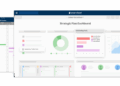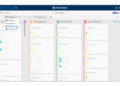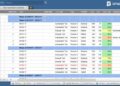
Delve into the world of integrating Smartsheet with Excel for dynamic view automation and real-time reporting setup. Discover the power of seamless data integration and efficient reporting processes in this comprehensive guide.
Explore the step-by-step instructions and benefits of this integration, paving the way for enhanced business operations and decision-making.
Overview of Smartsheet and Excel Integration
Integrating Smartsheet with Excel offers a range of benefits that can enhance workflow efficiency and productivity in businesses. By combining the powerful features of both platforms, users can streamline processes, improve collaboration, and gain valuable insights from their data.
Benefits of Integrating Smartsheet with Excel
- Seamless Data Transfer: Easily import and export data between Smartsheet and Excel, ensuring consistency and accuracy.
- Enhanced Data Analysis: Leverage Excel's advanced data analysis tools to complement Smartsheet's project management capabilities.
- Improved Collaboration: Share and update data in real-time, fostering collaboration among team members.
Key Features of Integration
- Dynamic View Automation: Automate processes within Smartsheet and Excel to save time and reduce errors.
- Real-Time Reporting: Generate up-to-date reports instantly, providing insights for informed decision-making.
- Customization Options: Tailor integrations to meet specific business needs, enhancing flexibility and scalability.
Importance of Automation and Real-Time Reporting
Automation plays a crucial role in speeding up repetitive tasks, reducing manual errors, and increasing overall efficiency. Real-time reporting ensures that stakeholders have access to the most current information, enabling quick decision-making based on accurate data. In today's fast-paced business environment, these features are essential for staying competitive and agile.
Setting up Integration
Integrating Smartsheet with Excel can streamline your workflow and improve productivity. Below is a step-by-step guide on how to connect the two platforms seamlessly.
Step 1: Install the Smartsheet Excel Add-in
The first step is to install the Smartsheet Excel Add-in. This tool allows you to import and export data between Smartsheet and Excel effortlessly.
Step 2: Authenticate Your Smartsheet Account
After installing the add-in, you need to authenticate your Smartsheet account within Excel. This will ensure a secure connection between the two platforms.
Step 3: Connect Smartsheet to Excel
Once authenticated, you can now connect Smartsheet to Excel by selecting the specific sheets or data you want to integrate. This step will establish a link between the two platforms for real-time syncing.
Step 4: Configure Data Mapping
Configure data mapping settings to ensure that the data fields in Smartsheet align correctly with those in Excel. This will prevent any data discrepancies during the integration process.
Step 5: Test the Integration
Before fully implementing the integration, it's crucial to test the connection between Smartsheet and Excel. Verify that data is syncing accurately and troubleshoot any issues that may arise.
Step 6: Set up Automation Rules
To enable dynamic views and real-time reporting, set up automation rules within Smartsheet and Excel. This will automate data updates and ensure that your reports are always up-to-date.
Dynamic View Automation
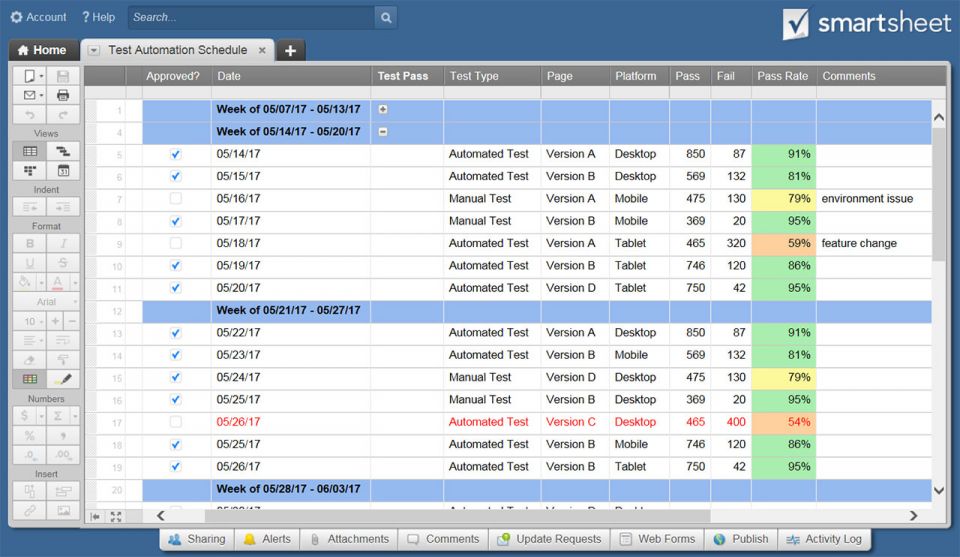
Dynamic view automation in the integration of Smartsheet with Excel involves setting up processes that automatically update and display real-time data in both platforms. This automation ensures that changes made in one platform are reflected in the other, providing accurate and up-to-date information for users.
Examples of Dynamic View Automation Scenarios
- Automatically updating project timelines in Excel based on task progress in Smartsheet.
- Syncing inventory data between Smartsheet and Excel to ensure consistent stock levels.
- Generating real-time financial reports in Excel using data from Smartsheet budget tracking.
Dynamic view automation significantly impacts data accuracy and efficiency by eliminating manual data entry errors and reducing the time spent on updating information across platforms. This automation streamlines processes, increases productivity, and ensures that decision-making is based on the most current and reliable data available.
Real-Time Reporting Setup
Setting up real-time reporting between Smartsheet and Excel involves establishing a connection that allows data to be updated and reflected instantly across both platforms. This real-time synchronization ensures that users have access to the most current information at all times.
Significance of Real-Time Reporting
- Enhanced Decision-Making: Real-time reporting provides decision-makers with up-to-the-minute data, enabling them to make informed choices quickly and accurately.
- Improved Collaboration: Teams can work together more efficiently when everyone has access to real-time updates, fostering collaboration and productivity.
- Better Resource Management: With real-time reporting, resources can be allocated and managed in a timely manner, optimizing efficiency and reducing waste.
Examples of Real-Time Reporting Benefits
| Industry | Real-Time Reporting Benefit |
|---|---|
| Finance |
|
| Healthcare |
|
| Retail |
|
Epilogue
In conclusion, the integration of Smartsheet with Excel offers a dynamic solution for businesses seeking automation and real-time reporting capabilities. Embrace this transformative tool to streamline processes and drive better outcomes across industries.
Essential FAQs
How can I benefit from integrating Smartsheet with Excel?
Integrating Smartsheet with Excel provides a seamless way to combine the strengths of both platforms, enhancing data management and reporting efficiency.
What are the key features that make this integration powerful?
The ability to automate tasks, create dynamic views, and generate real-time reports are some of the key features that make this integration powerful.
How does dynamic view automation impact data accuracy?
Dynamic view automation ensures that data is updated in real-time, reducing errors and improving accuracy in reporting and decision-making processes.